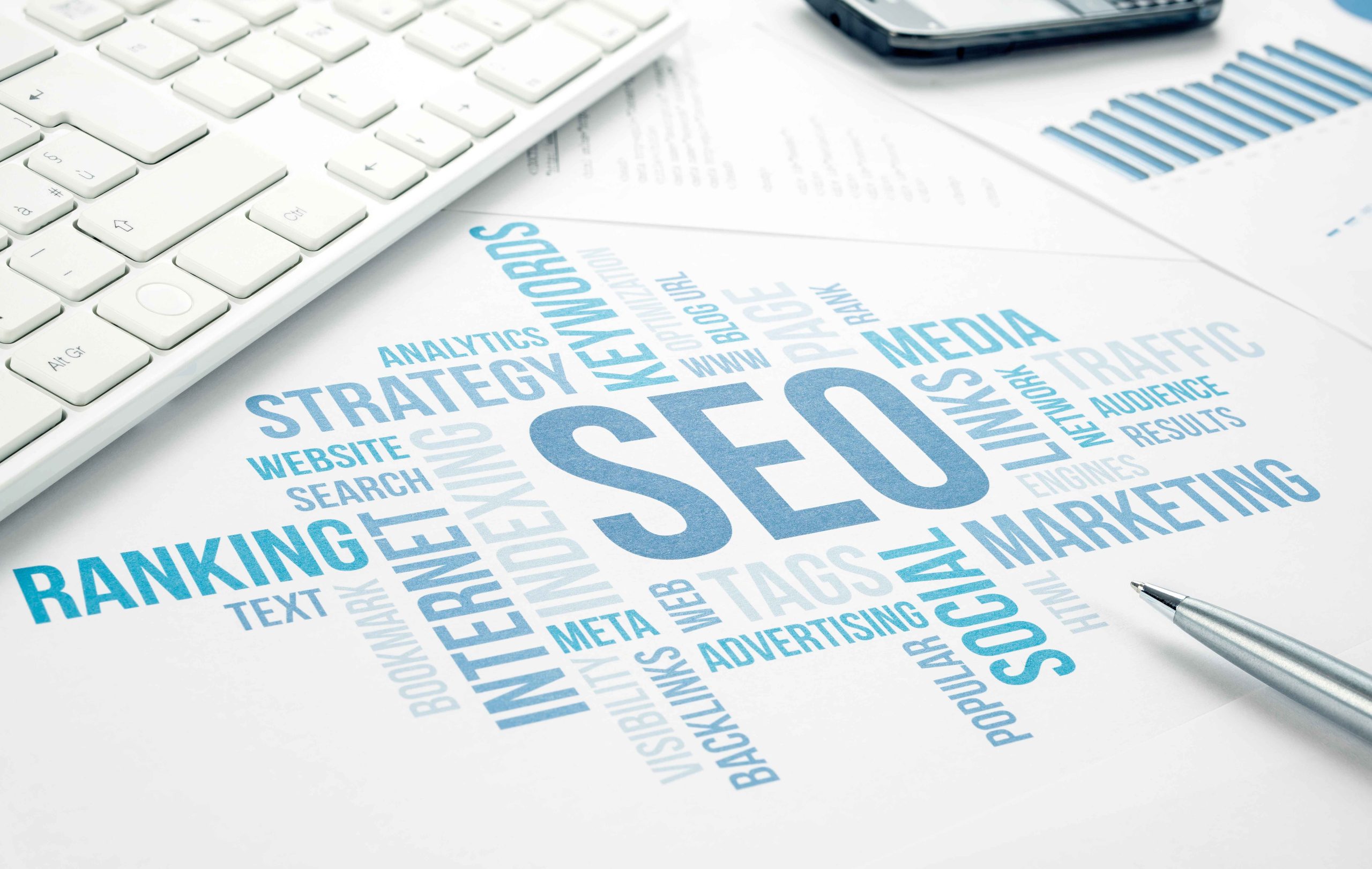
If you own a website or run a business online, you have probably heard the terms SEO and SEM. These are two important digital marketing strategies that help people find your business on search engines like Google.
Both SEO and SEM aim to bring more visitors to your website, but they work in different ways.
At Tanzania Web Solutions, we help businesses understand and use both strategies effectively to grow online.
What Is a Web Browser?
A web browser is a software application used to access websites on the internet. It allows you to visit web pages, watch videos, shop online, and search for information.
Common web browsers include:
- Google Chrome
- Safari
- Mozilla Firefox
- Microsoft Edge
- Opera
What Is a Search Engine?
A search engine is a website that helps users find information online. You type a keyword or question, and it shows the most relevant results.
Popular search engines include:
- Bing
- Yahoo
- DuckDuckGo
What Is SEO?
SEO stands for Search Engine Optimization.
It is the process of improving your website so that it appears in the unpaid (organic) search results on Google and other search engines. The better your SEO, the easier it is for people to find your business.
Search engines rank websites based on several factors, including:
- High-quality content
- Website speed
- Mobile-friendly design
- Proper keyword usage
- Secure connection (HTTPS)
- Good user experience
- Internal and external links
SEO takes time, but it can bring long-lasting results when done properly.
What Is SEM?
SEM stands for Search Engine Marketing.
Unlike SEO, SEM involves paid advertising to appear at the top of search results. These ads help businesses get visibility quickly.
SEM includes activities such as:
- Creating Google Ads campaigns
- Choosing targeted keywords
- Setting advertising budgets
- Managing ad performance
- Monitoring conversions and results
SEM is also known as PPC (Pay-Per-Click) or CPC (Cost-Per-Click). You only pay when someone clicks your ad.
Organic Results vs Paid Results
When you search on Google, you usually see two types of results:
Organic Results (SEO)
These are unpaid listings that appear because Google considers them useful and relevant.
Paid Results (SEM)
These are advertisements that businesses pay for to appear at the top or bottom of search results.
Both are important, but they work differently.
5 Main Differences Between SEO and SEM
1. How They Work
SEO improves your website to rank naturally, while SEM uses paid ads to show your business instantly.
2. Time to Get Results
SEO takes time—often months. SEM delivers results immediately once ads are launched.
3. Predictability
SEO results cannot be guaranteed because search algorithms change. SEM results can be planned and estimated based on budget and targeting.
4. Cost
SEO does not require payment per click but needs time and effort. SEM requires payment for each click depending on keyword competition.
5. Measuring Results
SEM provides real-time data such as clicks, impressions, and conversions. SEO results are measurable too, but they grow more gradually over time.
Which One Is Better?
Both SEO and SEM are important.
- SEO is best for long-term growth, trust, and consistent traffic.
- SEM is best for quick results, promotions, and fast visibility.
Most successful businesses use both together for better performance.
Final Thoughts
SEO and SEM are key parts of digital marketing success. SEO helps your website grow naturally over time, while SEM gives you instant visibility through paid ads.
Understanding both strategies allows you to choose the right approach for your business or combine them for stronger results.
At Tanzania Web Solutions, we help businesses build strong online visibility using both SEO and SEM strategies.
If you want to grow your business online, improve your website visibility, and attract more customers, contact us today. We are ready to help you achieve real digital growth.